
Daylight changes throughout the day, and where your windows face changes what that light looks like on camera. At Ambient + Studio, that's not an afterthought; it's part of how the building was designed. Here's how window direction and time of day shape a shoot schedule across our stages, so you can plan your coverage instead of chasing the sun.
Schedule a daylight shoot by matching each scene to the available natural light. Use west facing windows for warmer, more direct afternoon and golden hour light, skylights for softer overhead daylight earlier in the day, and cyc walls for consistent backgrounds when sunlight changes. Plan stage transitions around these lighting conditions.
Scheduling a Daylight Shoot Around Window Direction and Time of Day at Ambient + Studio
Natural light looks different depending on which way a window faces and what hour you're shooting. Planning your schedule around that, rather than around a call sheet built for artificial light, is how you get the most out of a daylight studio.
Why Window Direction Changes Your Shoot Day
Ambient + Studio was designed by a professional photographer, and the building's west facing windows were a deliberate choice. Because the sun sets in the west, those windows carry their most direct, dramatic light later in the day. If your shoot depends on that kind of light, scheduling it for the afternoon or evening is how you make sure you catch it.
Stage 1's West Facing Windows and Golden Hour
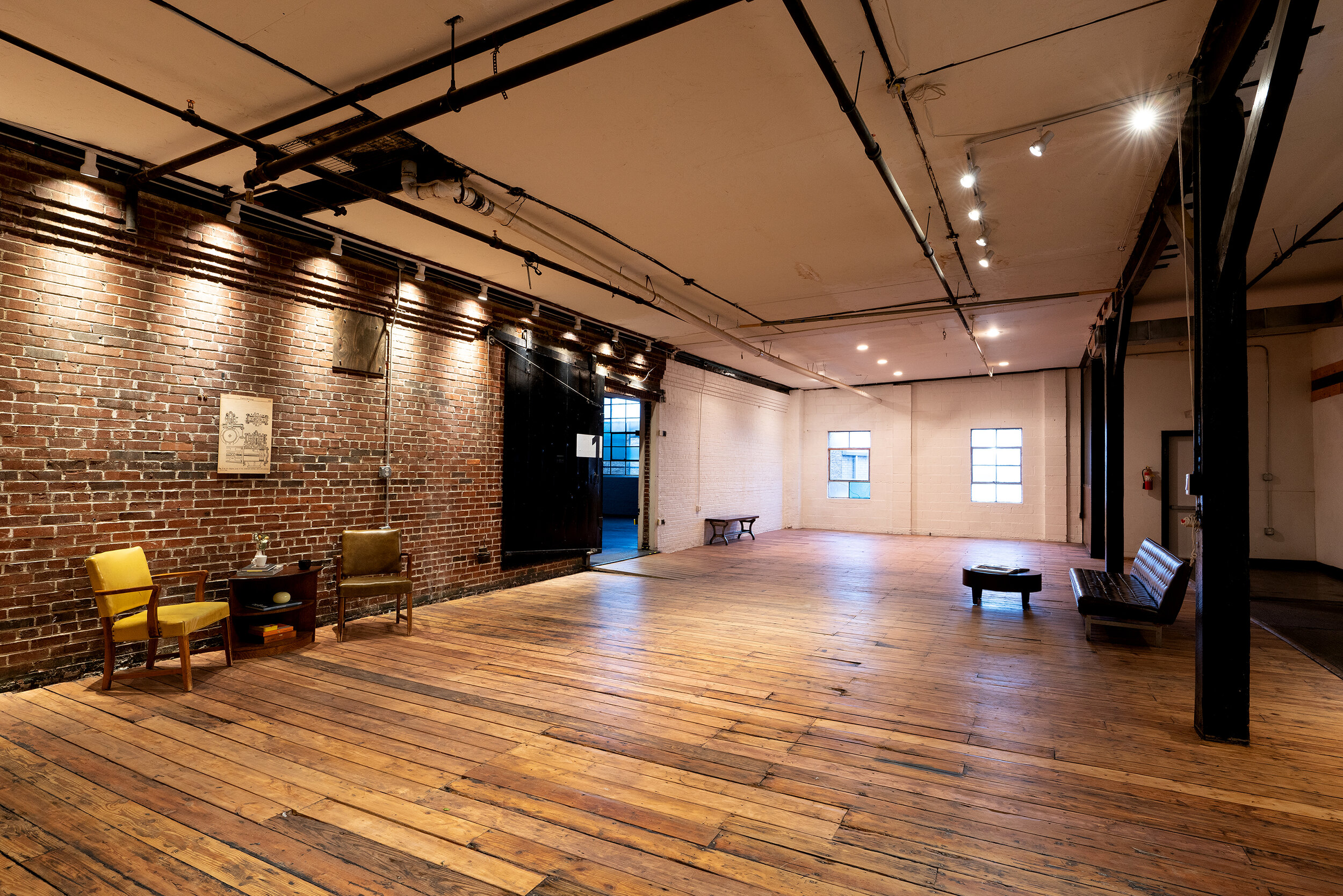
Stage 1 is our 10,000 square foot main stage, with large factory windows running along the west wall and 15 foot ceilings above. As the day moves toward evening, those windows fill the space with warm, golden light across the hardwood floors, the kind of light photographers specifically seek out. If your shoot calls for that late day glow, Stage 1 in the afternoon is where to schedule it.
Skylights in Stage 4 and The Quonset for Overhead Light
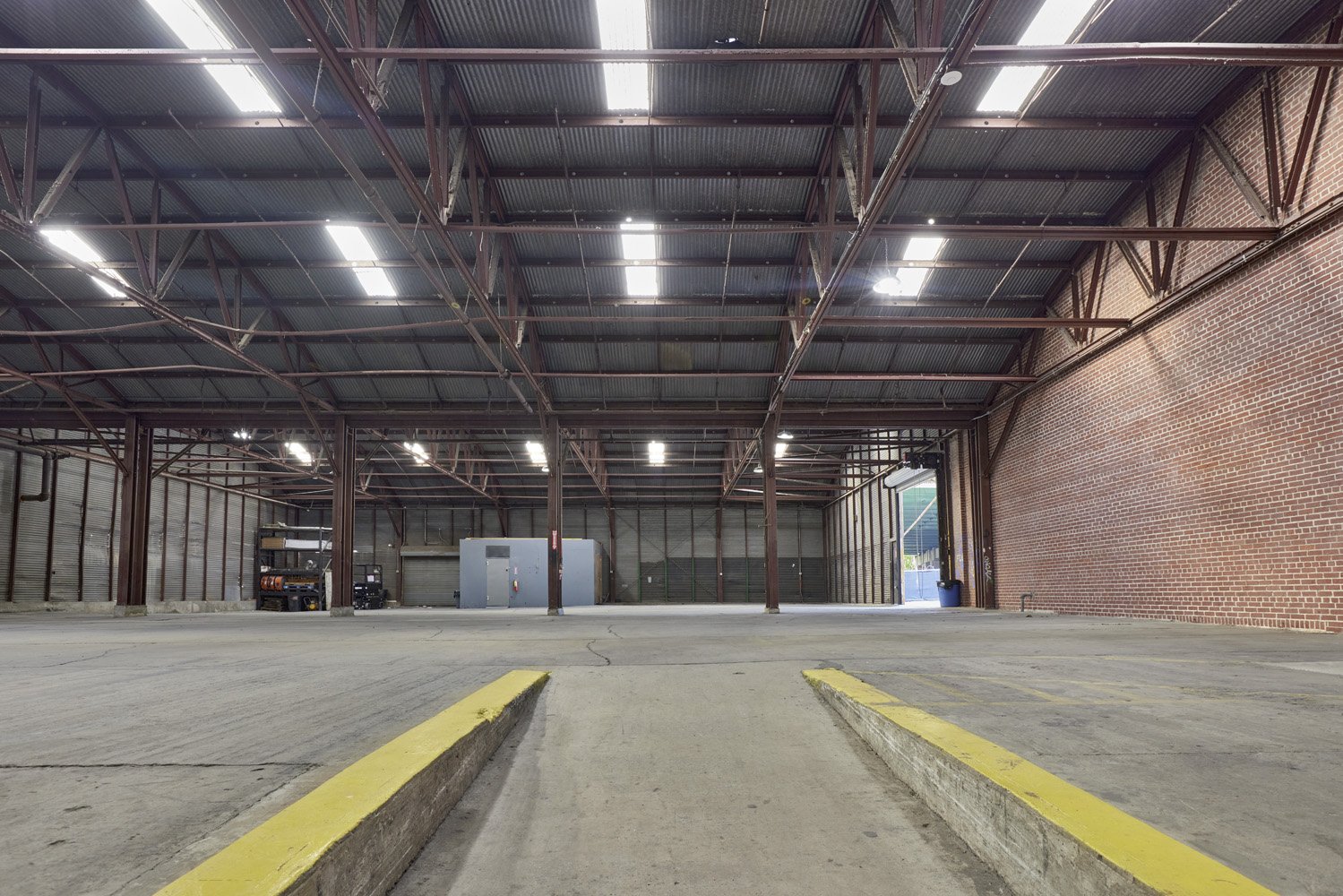
Not every look depends on a west facing window. Stage 4, our Skylight Studio, brings light in from above through its own skylight, alongside white brick and corrugated block walls and a corner cove cyc wall. The Quonset, a 10,500 square foot warehouse space, also has skylights overhead, along with concrete floors and a corrugated metal shell. Both give you a different daylight quality than Stage 1's side lit windows, which is worth building into your schedule if your shoot needs more than one look.
Working Across Multiple Stages Without Losing the Day
Because Stage 1, Stage 3, Stage 4, and the Quonset are all inside the same building, a crew can move between different light conditions without relocating. You can shoot a west lit scene in Stage 1 in the late afternoon and an overhead lit scene in Stage 4 earlier the same day, all without a second load in or a change of location on your schedule.
Cyc Walls and Backdrops
When you need a look that doesn't shift with the sun, Stage 1's one wall cyc, at 28 by 14 feet, and Stage 4's corner cove cyc wall give you a consistent backdrop regardless of what the windows are doing. Building cyc wall time into your schedule alongside your window lit shots is a practical way to cover both looks in the same day.
Prep Space and Load In That Keep the Schedule Moving
Stage 1 includes a kitchen, a hair and makeup room, and a wardrobe room, so talent prep and wardrobe changes can happen without leaving the stage. Ground level access supports straightforward load in, and the Quonset adds dock high unload with drive in access for larger gear. In house film and photo equipment rentals are also available if your schedule calls for supplemental lighting once the natural light shifts.
Conclusion
A daylight shoot runs smoother when the schedule follows the light instead of fighting it. Whether you're chasing west facing golden hour in Stage 1 or working under a skylight in Stage 4 or the Quonset, we can help you map out which stage fits which hour of your shoot day.
Contact us to request the Film Production or Photography Pricing Guide and start planning your shoot day around our stages.
FAQs
Which stage has the strongest daylight in the afternoon?
Stage 1's west facing windows bring the most direct, golden light later in the day.
Do any stages use skylights instead of windows?
Yes. Stage 4 and the Quonset both have skylights for overhead natural light.
Can a crew shoot in more than one stage on the same day?
Yes. Stage 1, Stage 3, Stage 4, and the Quonset are all in the same building, so crews can move between them without relocating.
Is equipment available if we need supplemental lighting?
Yes. In house film and photo equipment rentals are available.