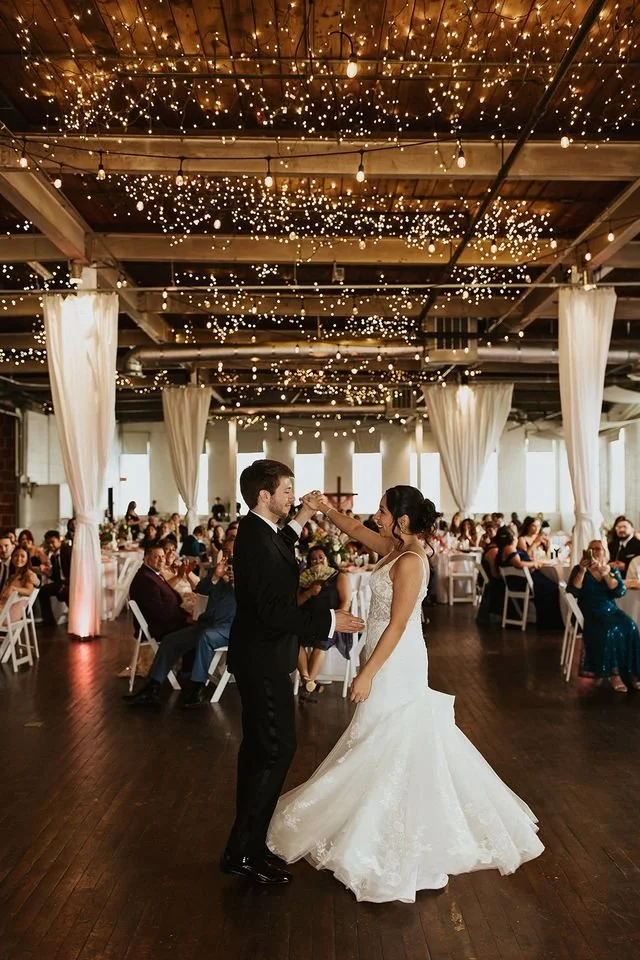
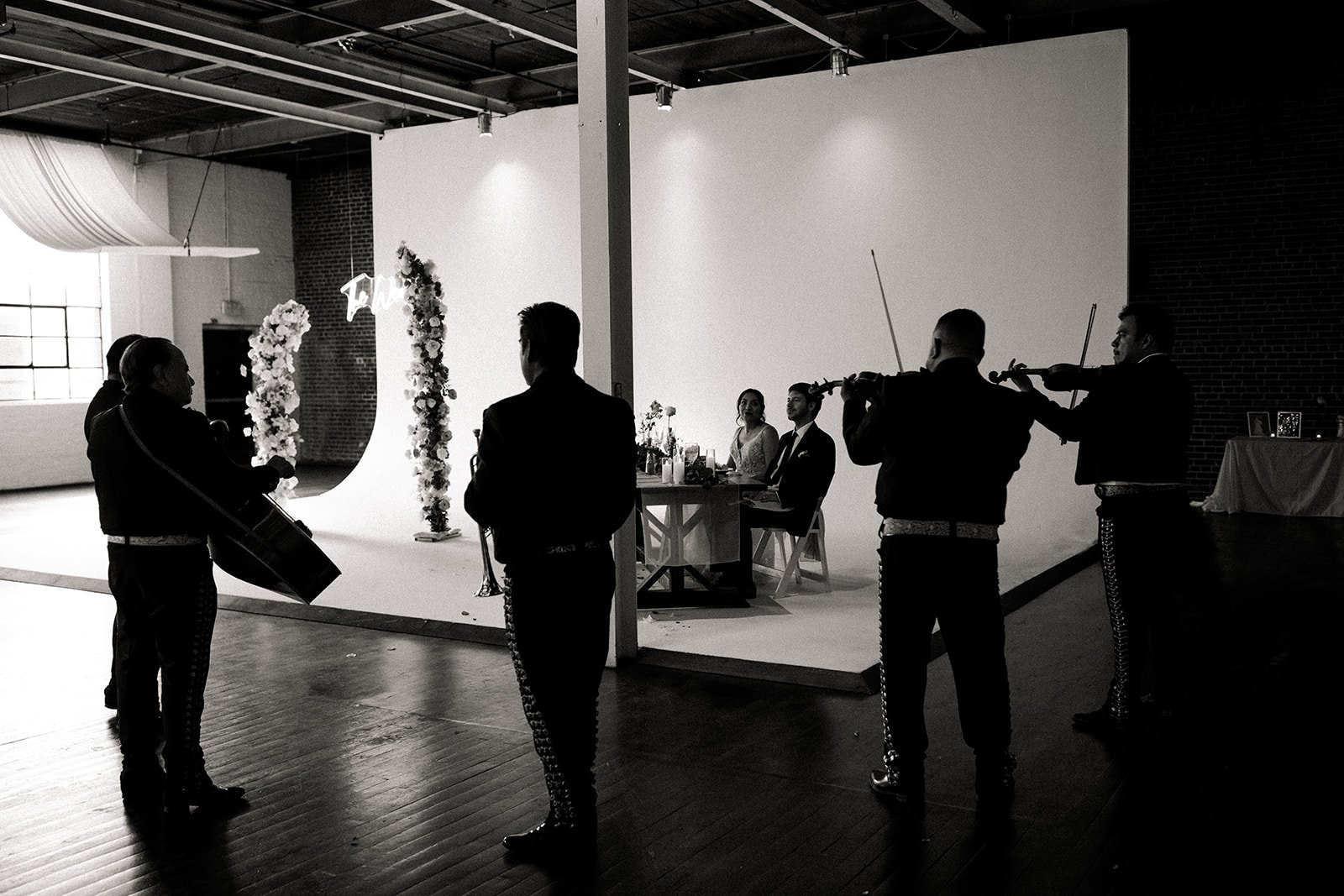
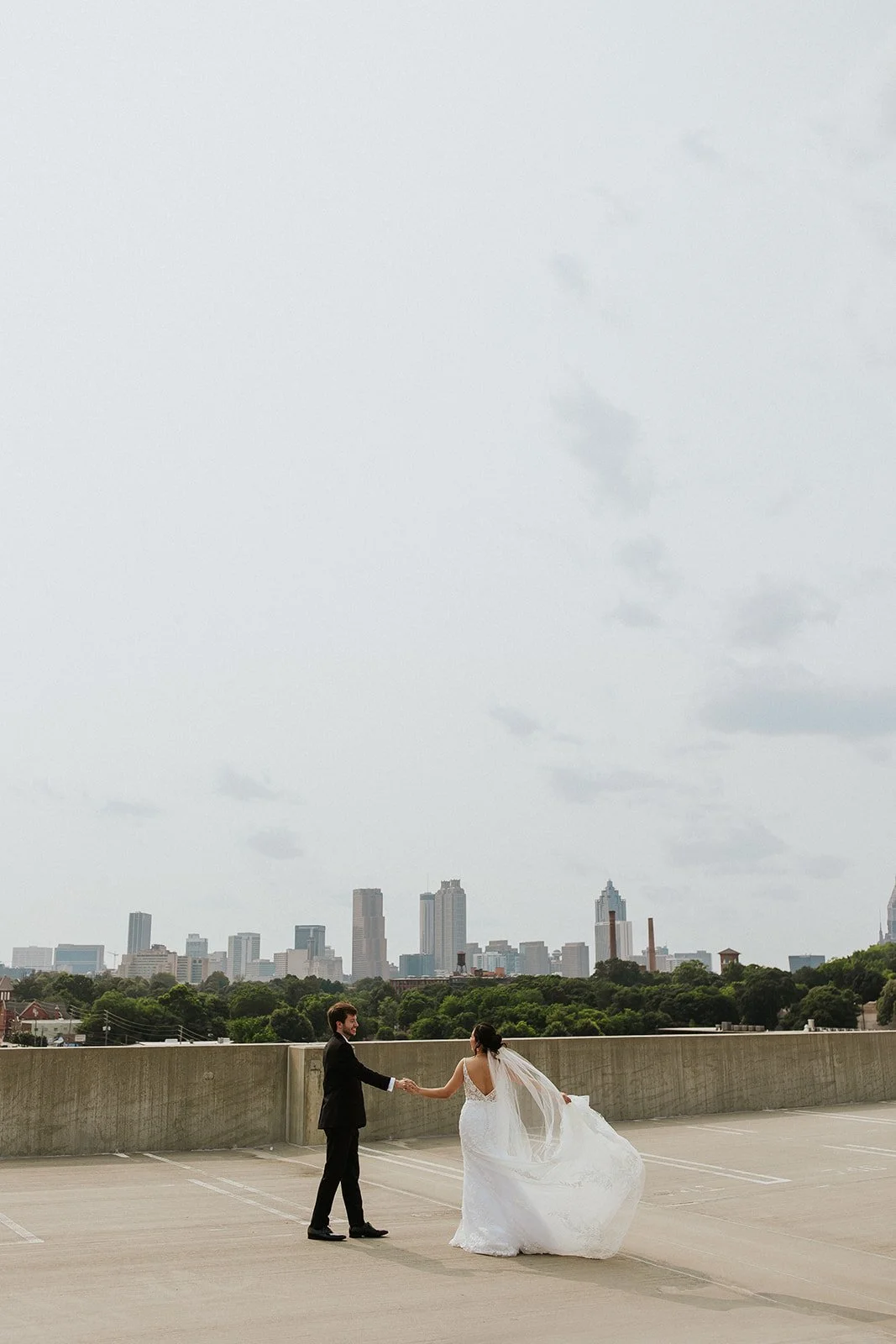
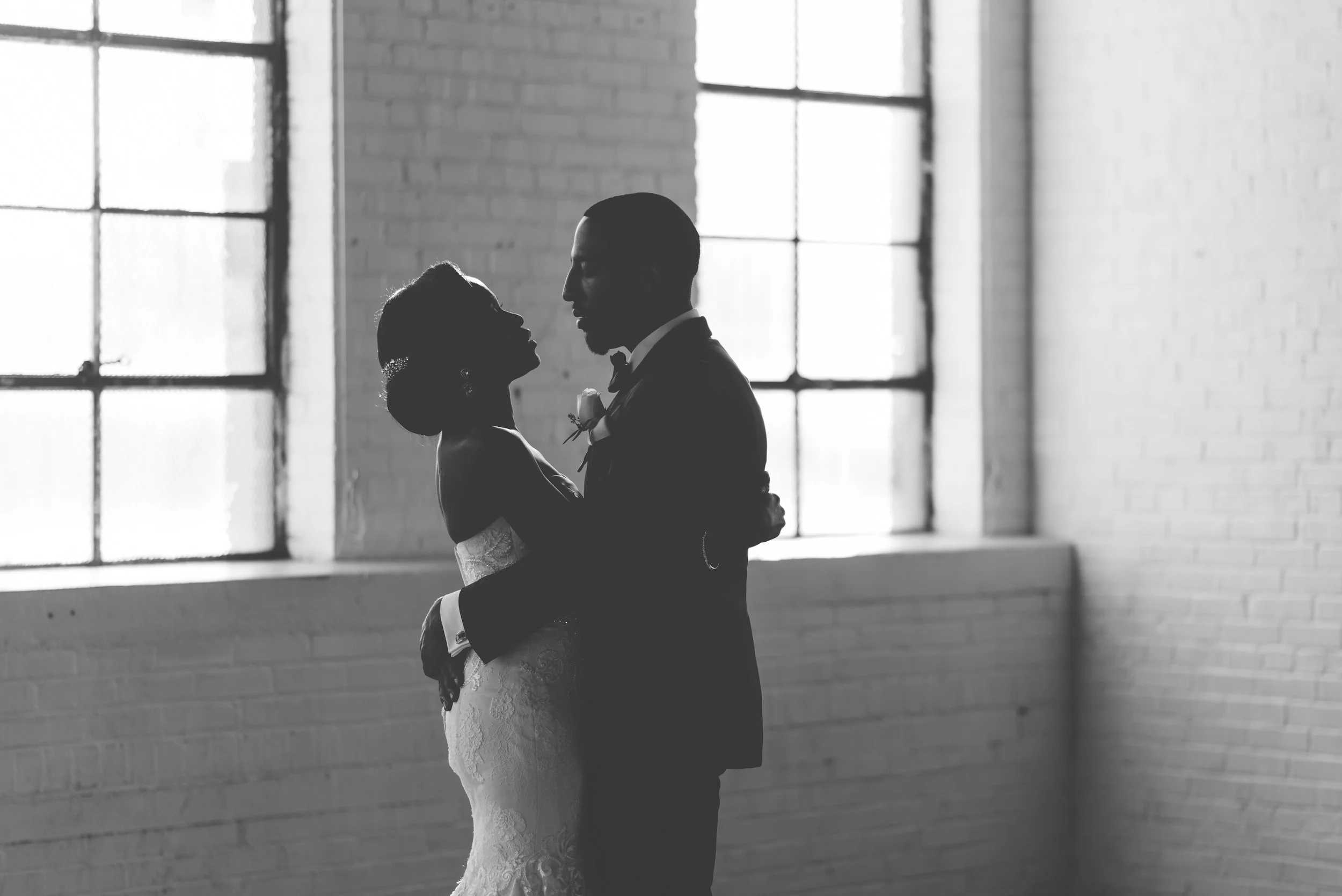
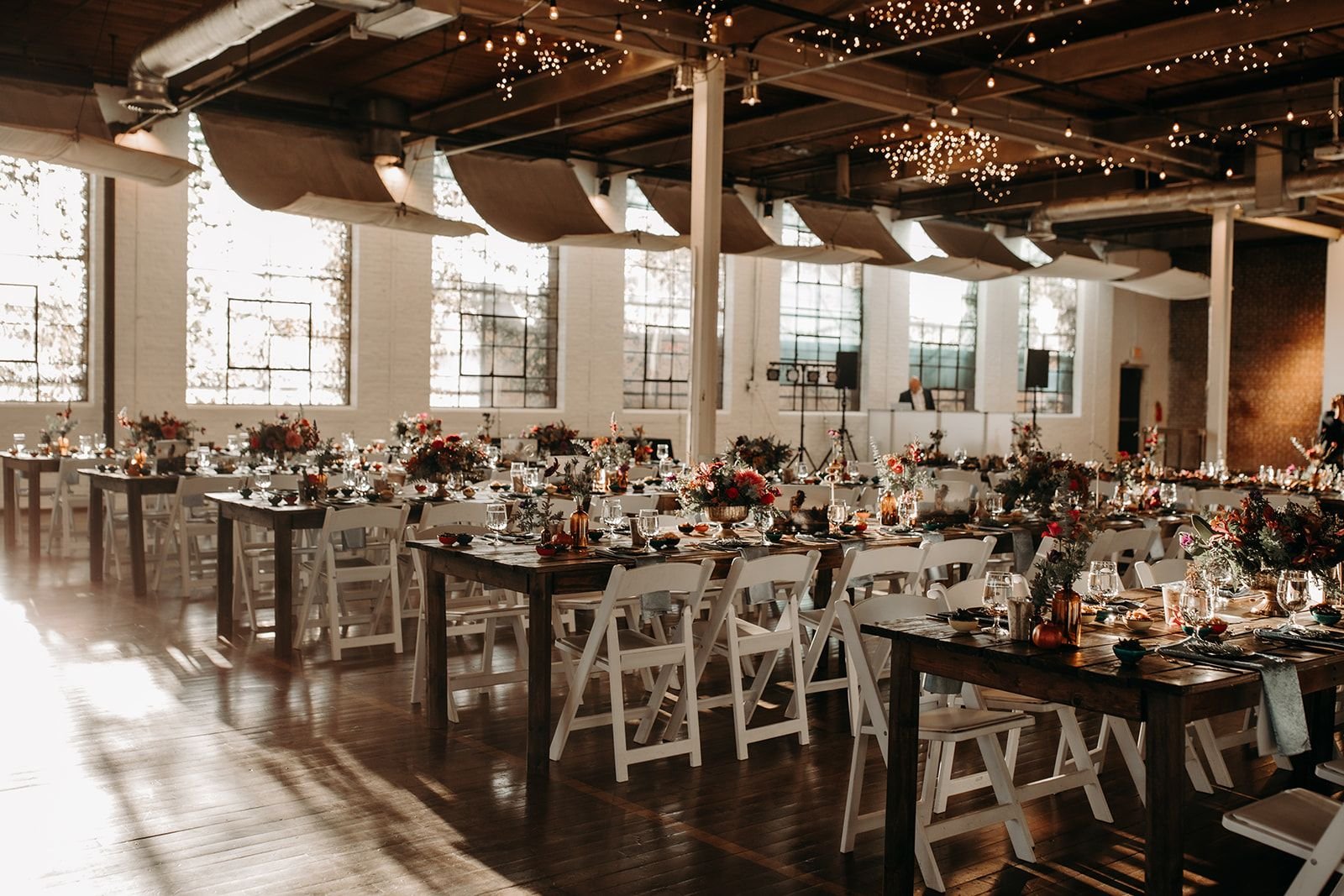
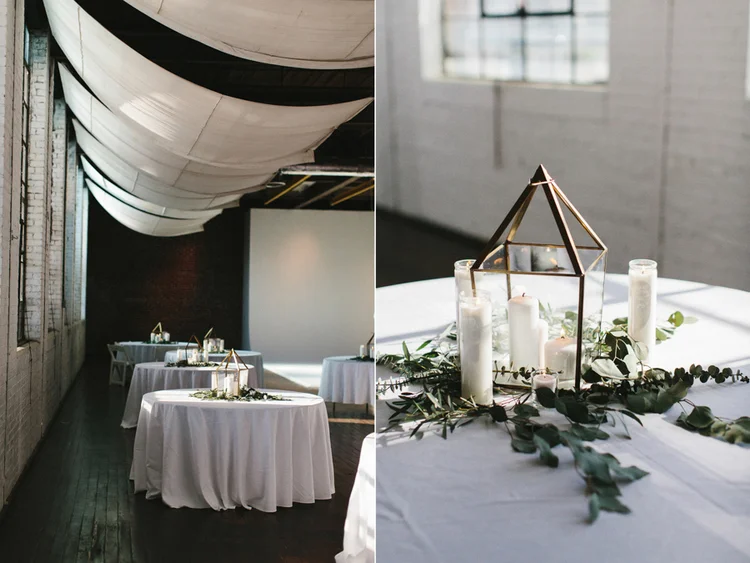
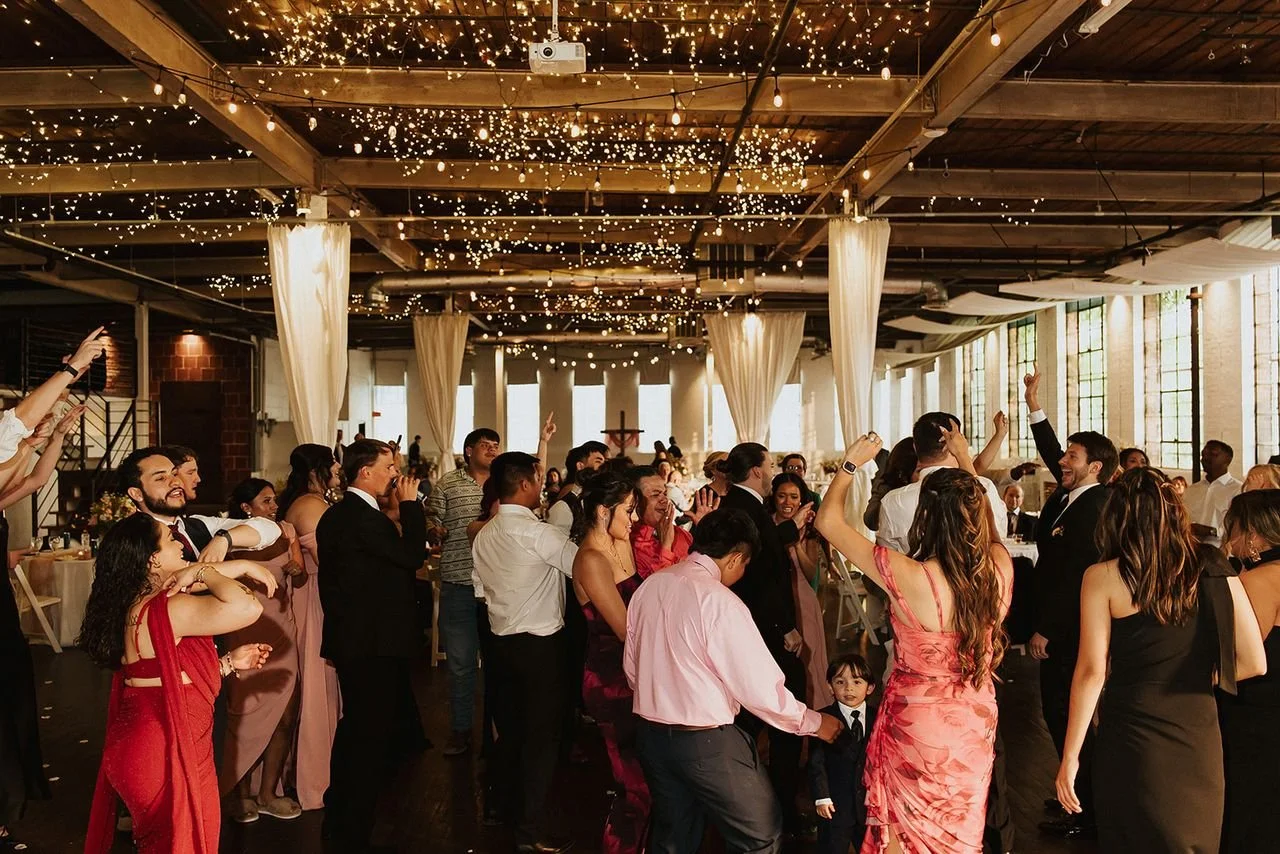
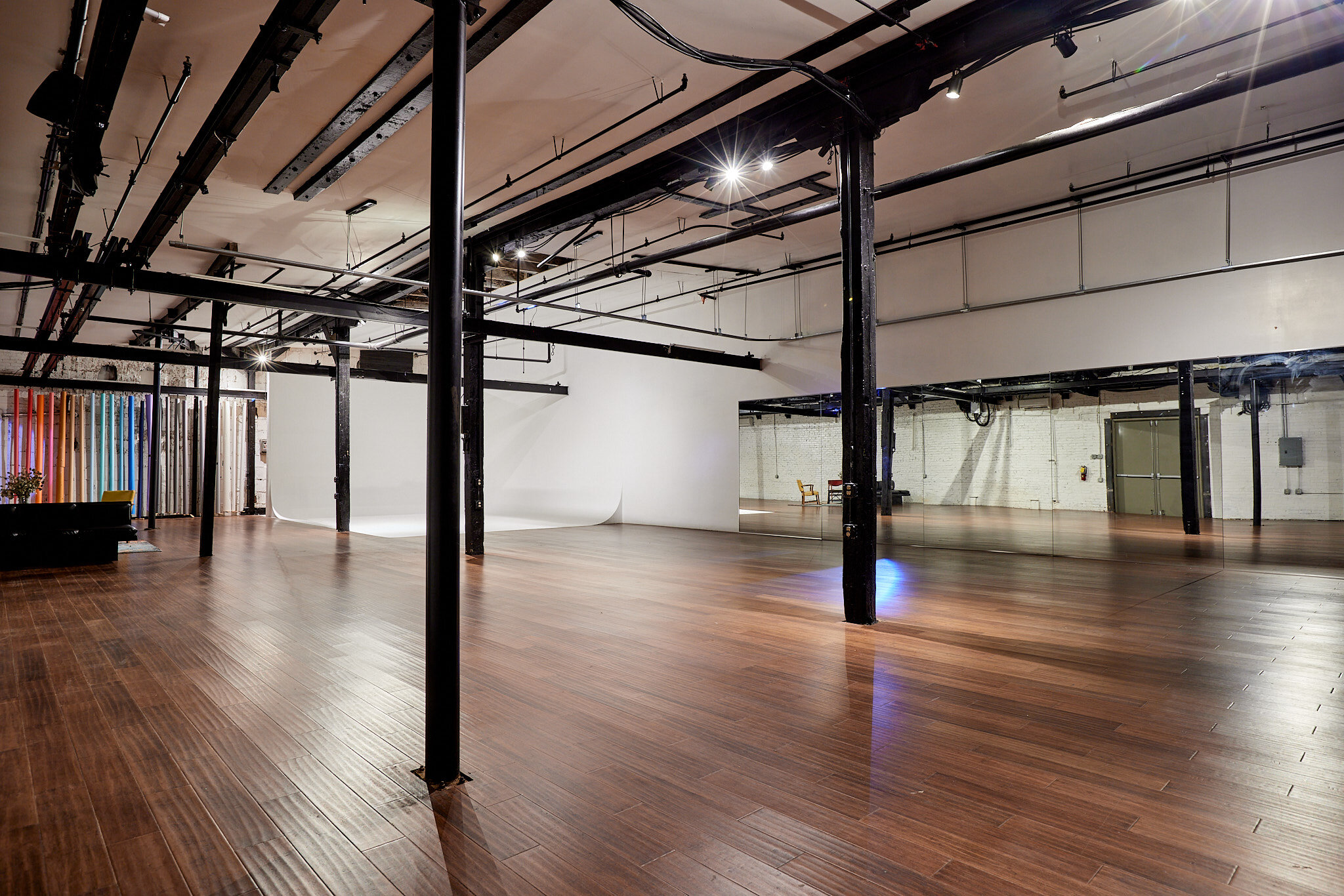
University events often bring together faculty, students, alumni, and guests for several experiences in one evening. At Ambient Plus Studio, a flexible Atlanta event venue can support a welcoming reception, a seated dinner, and dancing within one adaptable setting.
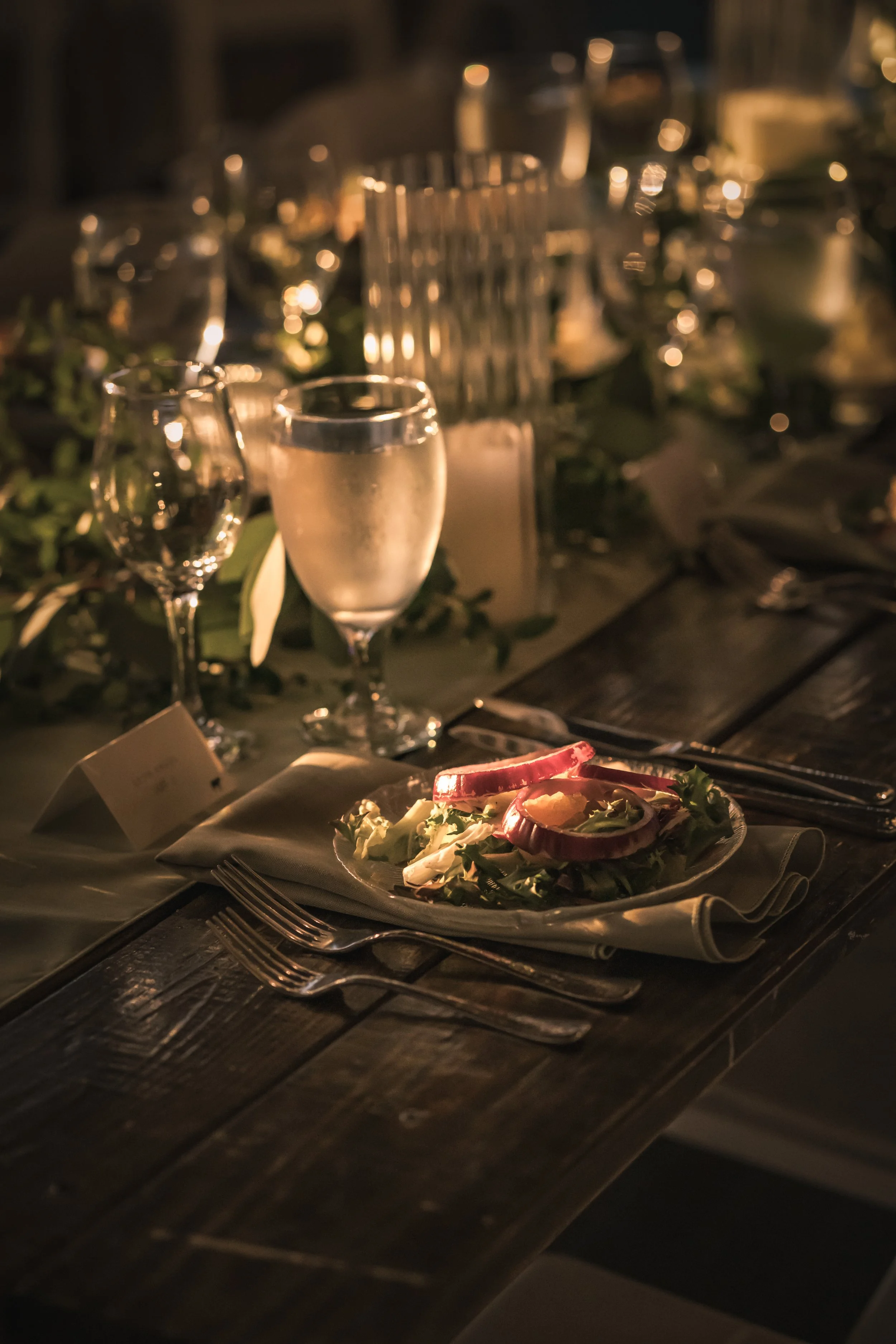
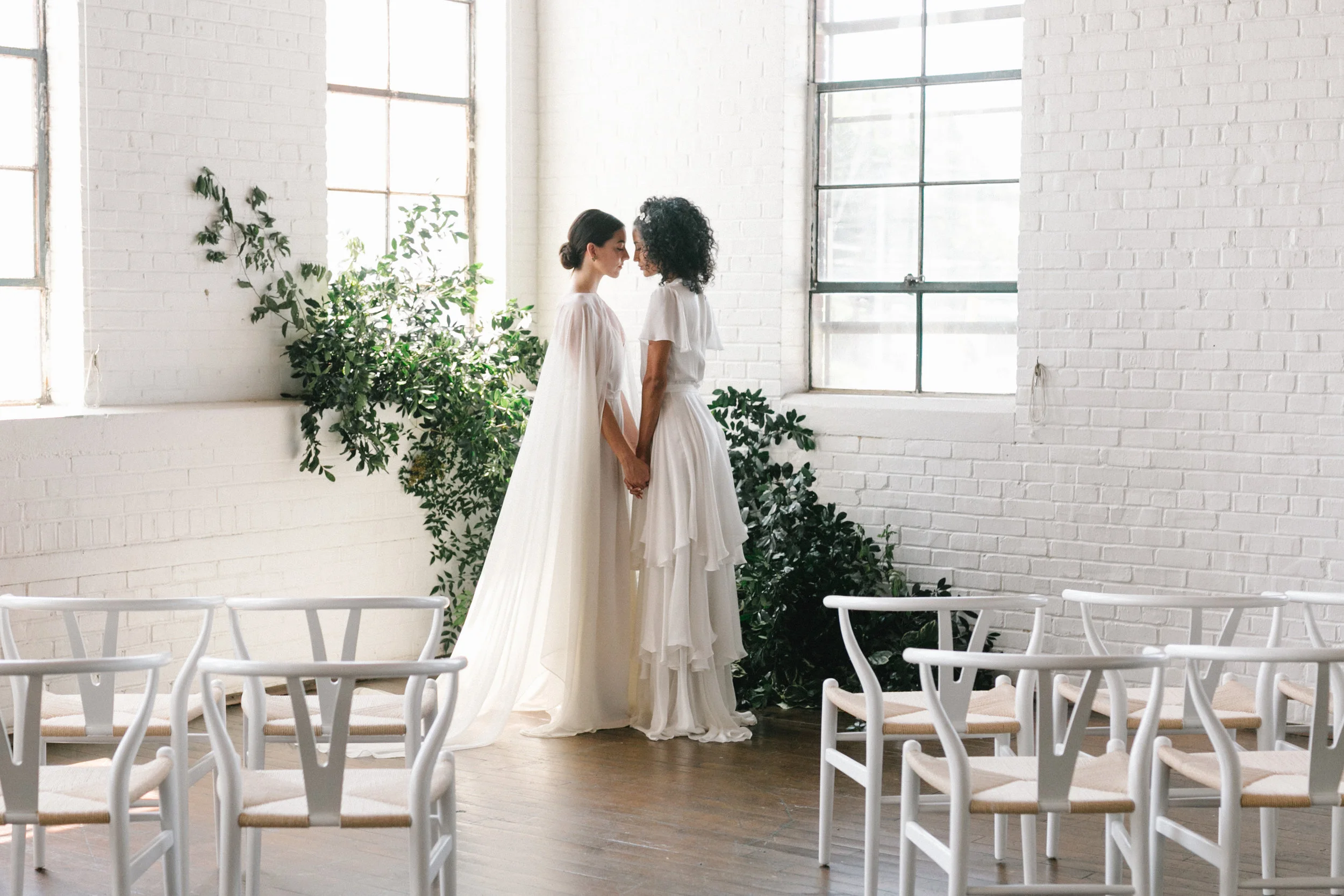
If you're picturing your reception before you've settled on ceremony flowers, you are not alone. Seating is one of the first layout questions couples bring to us at Ambient + Studio, and it's also one of the most personal.
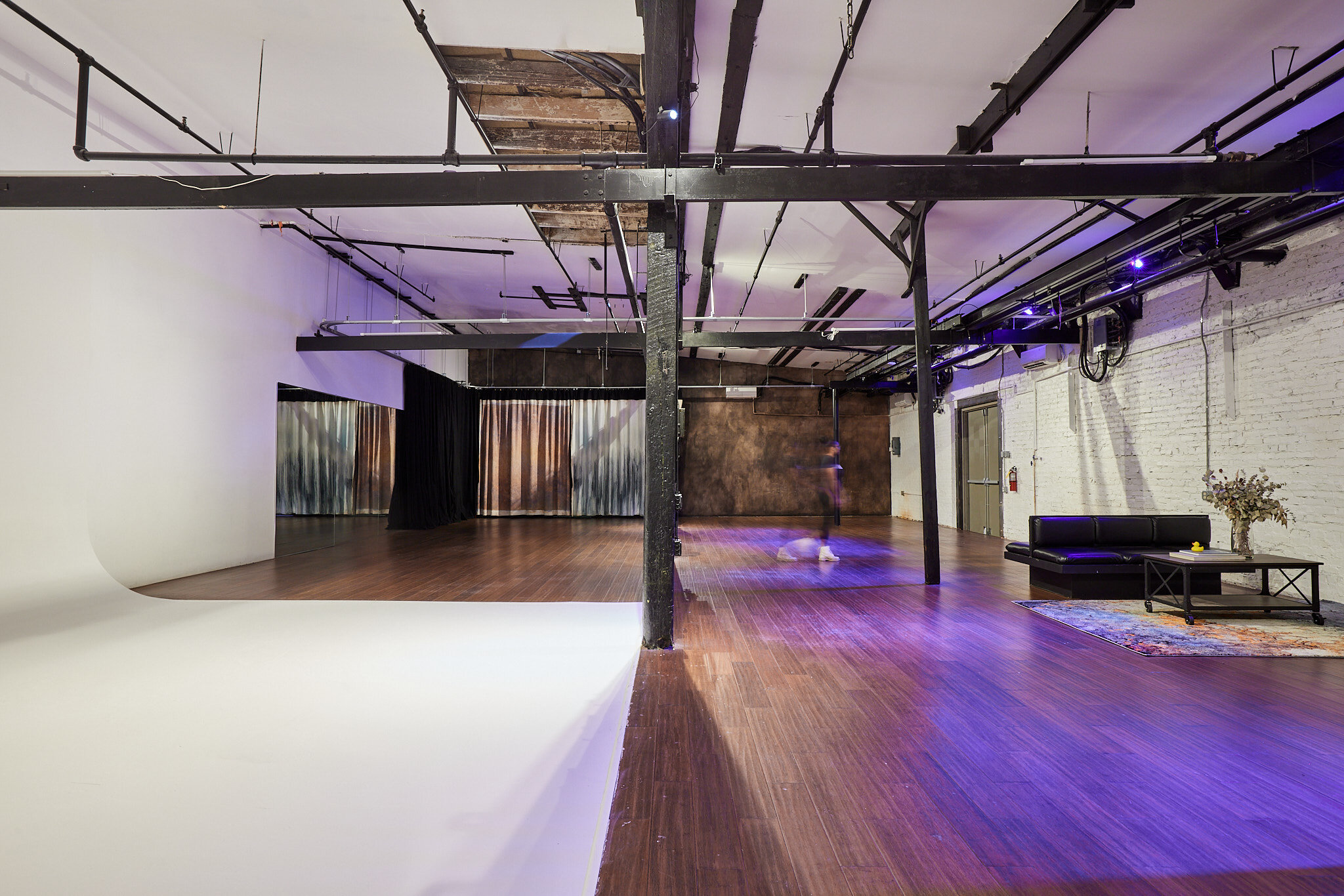
A fashion show runs on space more than most events do. You need room for a runway, a place for models to change without being seen, and a backdrop that photographs well under whatever lighting you bring.
One of the biggest appeals of hosting your ceremony and reception in the same building is also the biggest planning question.
A flexible venue can be exciting and a little overwhelming. When a room gives you several ways to arrange the ceremony, reception, dining, and dancing, the first challenge is deciding where to begin.
Daylight changes throughout the day, and where your windows face changes what that light looks like on camera. At Ambient + Studio, that's not an afterthought; it's part of how the building was designed.
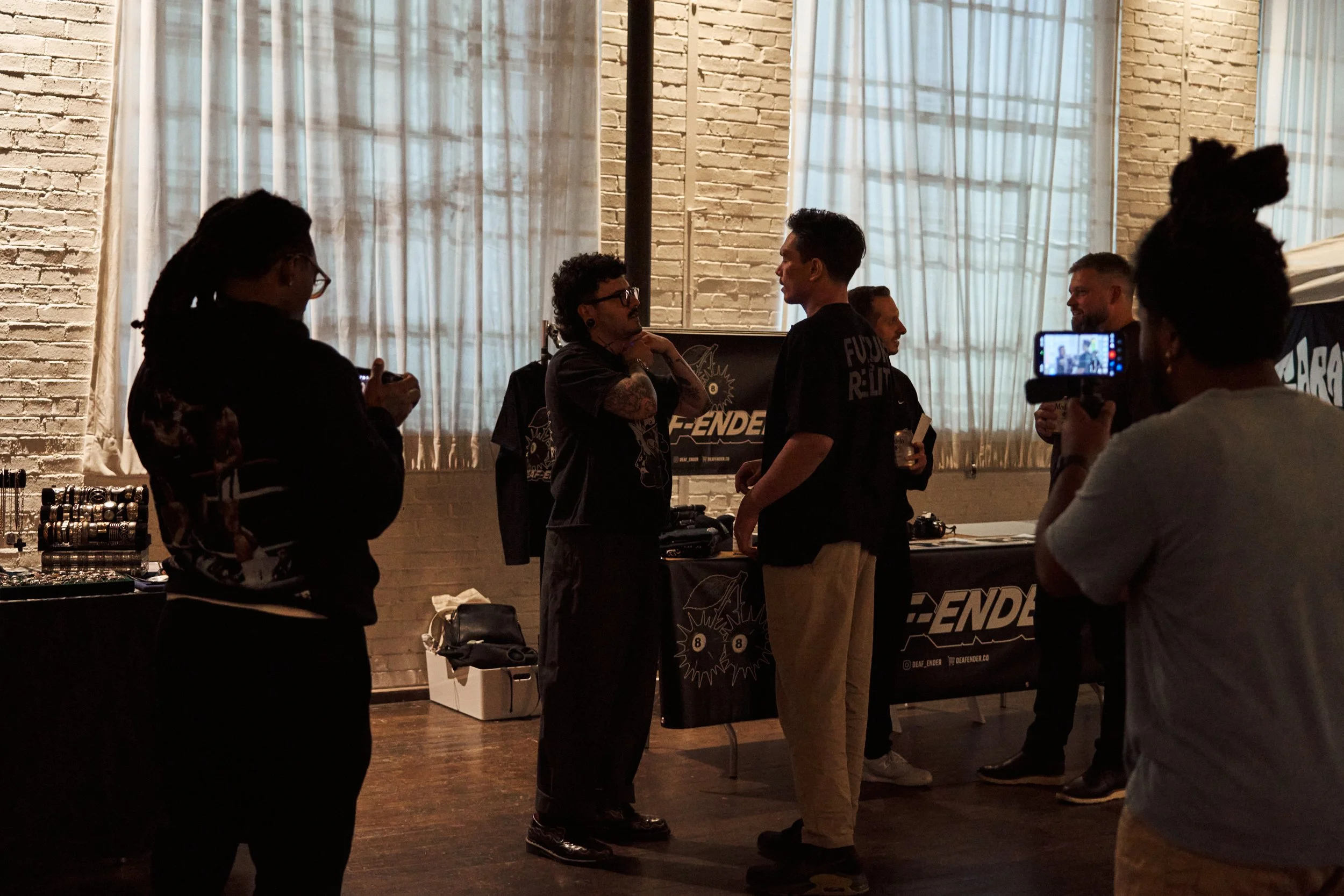
Artificial light lies about colour. Daylight doesn't. See why vendors selling candles, textiles and handmade goods do better under our west-facing factory windows, how a bright, open room keeps shoppers browsing longer, and what 25,000 square feet lets organisers do with booth spacing at an Atlanta vendor show.
Call time hits and the room has to be ready. Here's what our West End daylight studio puts behind a shoot day: cyc walls with the ceiling height to light them, 200 amp house power, ground level and dock high load in, and a team that knows how productions actually move.
An empty 10,000 square foot room is thrilling until you have to fill it. This is how couples turn wide-open possibility into a workable plan: start with what's included, add only the rentals you need, bring vendors you trust, and lean on a team who knows the building.
Big guest lists need real square footage. A walkthrough of Stage 1 for receptions up to 500: how 15 foot ceilings keep a packed room feeling open, what your eight hour booking already covers, where the working kitchen fits in, and why the west windows matter around sunset.
A restaurant table feels too small, a ballroom too stiff. Marking a milestone inside a 1910 building gives the evening weight. Learn how to build the night around golden hour and string lights, choose between an intimate room or a larger one, and fill the space with your own history.
Guests remember the meal. If you already know who should cook it, you shouldn't have to pick from an approved list. What an open vendor policy actually changes: insurance requirements, a working kitchen with ovens and refrigeration, bring-your-own bar rules, and floor space for any service style.
Indoor used to mean identical chandeliers and neutral carpet. It doesn't have to. Inside a 1910 cotton factory, the drama comes from the building itself — plus on-site hair, makeup and wardrobe rooms, the Skylight Studio for smaller ceremonies, and zero weather risk across all twelve months.
Most venues hand you a room and a list of restrictions. Here's the alternative: four event-ready stages across 25,000 square feet, a crew that flips ceremony to reception without moving your guests, peak and off-season packages, and a photographer's eye behind every decision about light.
North Georgia teams are skipping the hotel conference room. What they find instead: configurable stages that run a general session and a breakout at once, in-house A/V and electrical distribution, parking for 200-plus cars, and a West End address that's an easy drive from Hartsfield-Jackson.
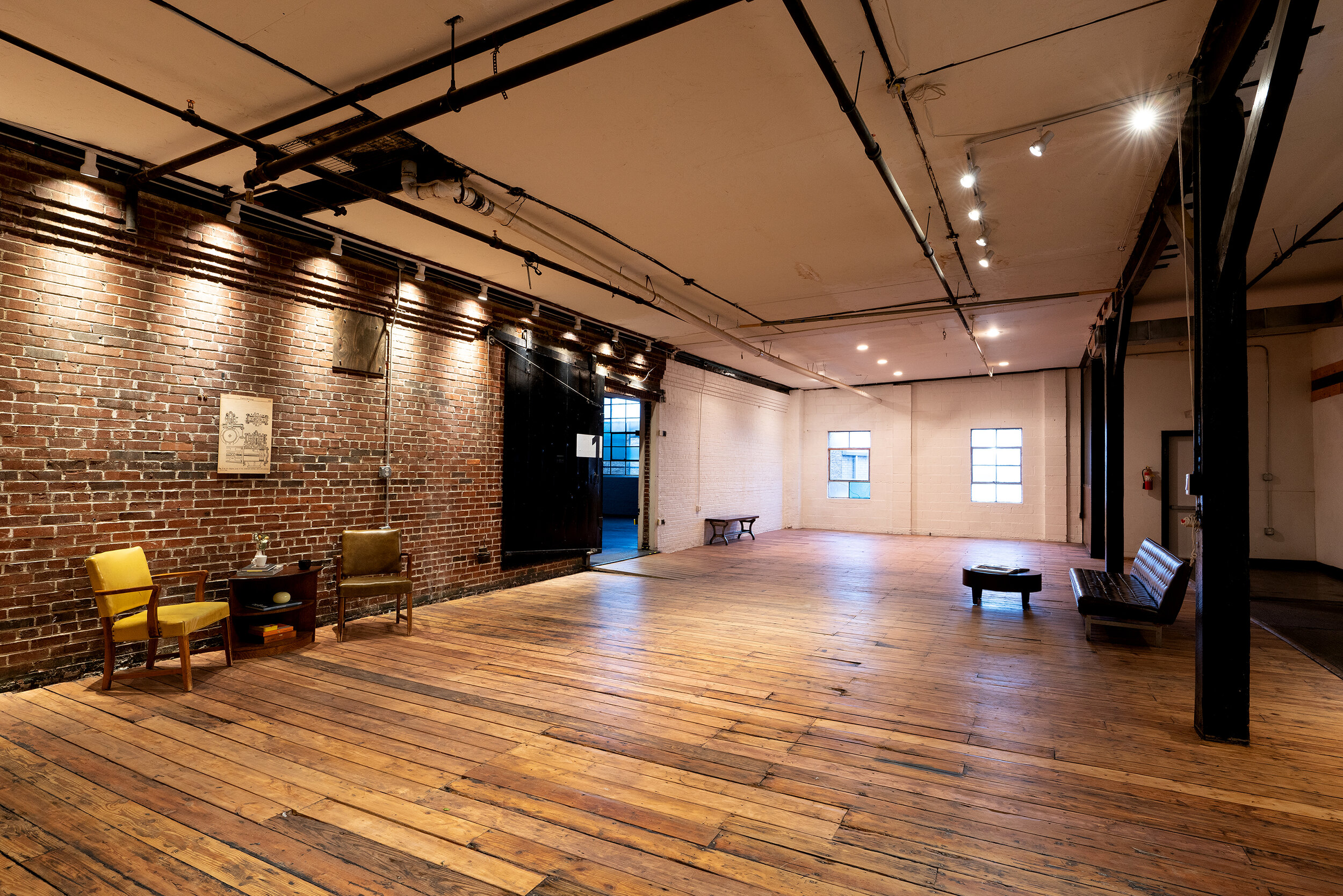
Industrial chic is usually something a venue installs. Here it's structural. The brick, the 10,000 square feet of original hardwood, the factory-pane windows — all authentic to 1910. Add permanent string lighting and a layout designed by a working photographer, and the aesthetic is finished before your florist arrives.
What separates a reception space that feels special from one that's merely polished? A century of real character, west-facing light that arrives exactly when the party peaks, stages that scale from 50 guests to 500, and a West End location near MARTA with parking for 200-plus cars.
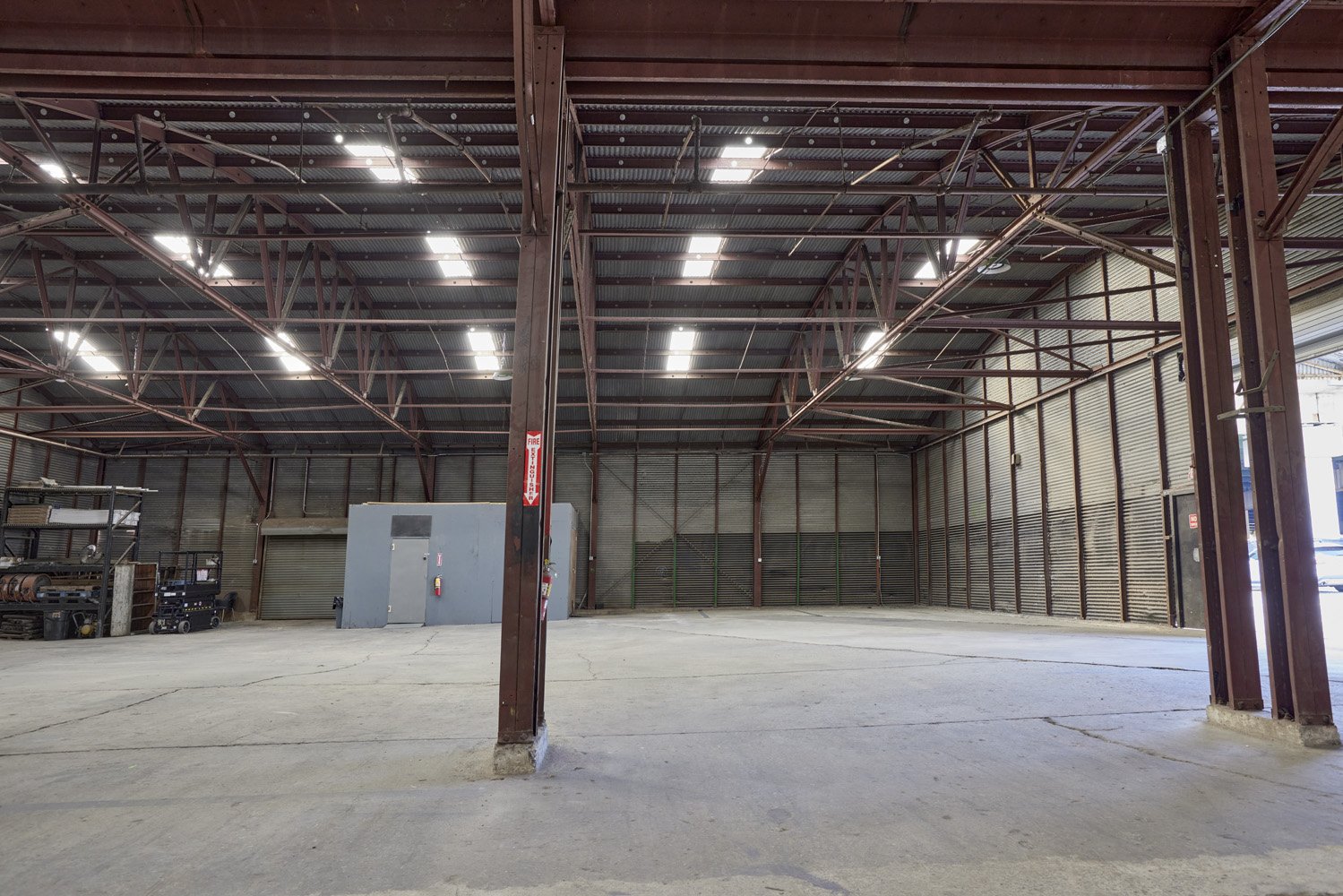
A creative celebration shouldn't have to bend to fit the room. Four event-ready stages, a 10,500 square foot warehouse with drive-in access, evening light through century-old windows, and a policy that lets you bring every vendor and every bottle — that's the freedom planners keep coming back for.
Vendor freedom sounds like a small clause until you start planning. It decides your menu, your bar budget, your floor plan and your timeline. Here's how couples use it at a restored 1910 daylight studio, including the ceremony flip, Stage 3 for 50 guests, and the one alcohol rule.
Twenty-five thousand square feet doesn't have to mean a long guest list. Stage 3 gives a small wedding a defined room with brick, hardwood and soft factory-window daylight, plus 10 hours, a hair and makeup nook, a kitchenette and a private entrance, all without leaving one space.